In Montreal, exterior guardrails and balcony railings must be engineered to resist specified vertical loads, including snow, and horizontal loads under the Quebec-adopted National Building Code. The right first step is hiring a local engineer and fabricator who can stamp the calculations and build to that design. Snow and wind rarely act alone, so both combinations need checking before a single weld goes down.
TL;DR:
- Montreal requires guardrails above 60 cm, with minimum heights of 90 cm at that threshold and 107 cm when platforms exceed 180 cm.
- Most houses and small multiplexes fall under Part 9, while larger or more complex buildings use Part 3 and require full engineering analysis.
- Wind can pile snow two or three times deeper in spots, while ice adds weight and lateral force, stressing posts and anchor connections.
- Routine railing repairs generally need no permit, but replacement, construction, or modifications at or above height thresholds typically do; confirm requirements with your borough first.
Table of Contents
- Montreal and Quebec code triggers for guardrails
- How snow accumulation changes railing loads
- Building railings for Montreal winters: lessons from the shop
- Getting your railing project fabricated right in Montreal
- FAQ
- Sources
Montreal and Quebec code triggers for guardrails
The City of Montreal requires a guardrail on any platform, balcony or exterior deck sitting more than 60 centimetres above the ground, and it sets minimum guardrail heights depending on that drop, according to City of Montreal’s guidance on balconies and exterior platforms. Get the height wrong and the permit stalls before the design even reaches a structural review.
- Guardrails are mandatory once a platform exceeds 60 cm above grade.
- Minimum height is 90 cm for platforms at or above that 60 cm threshold.
- Minimum height rises to 107 cm once the platform exceeds 180 cm.
Which Code part applies changes how rigorous the design has to be. Most houses and small multiplexes fall under Part 9 of the National Building Code, with simpler prescriptive rules, while larger or more complex buildings fall under Part 3, which demands full engineering analysis. The Régie du bâtiment du Québec is explicit that designers and manufacturers share responsibility for making sure a guardrail resists the prescribed horizontal and vertical loads, and that in some wind exposure conditions wind pressure, not snow, becomes the deciding factor. That responsibility does not disappear once the drawings are approved: it follows the fabricator into the shop.
How snow accumulation changes railing loads
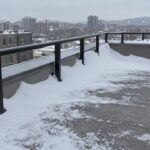
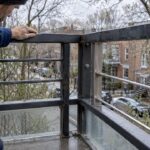
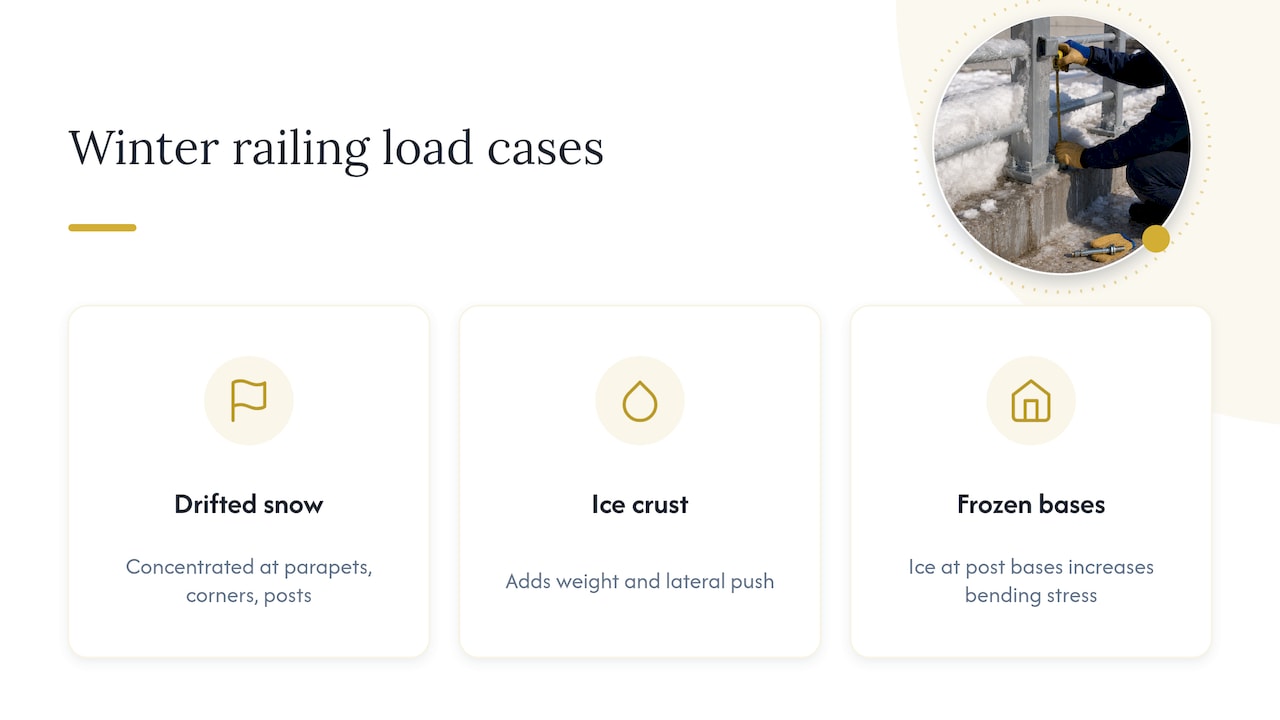
Snow rarely sits evenly on a balcony or rooftop terrace. Wind pushes it into drifts against parapets, corners and railing posts, so the load a guardrail actually carries can be far higher at one end than a simple average would suggest. A railing that looks fine under a uniform snow assumption can still see concentrated point loads where drifting piles snow two or three times deeper than elsewhere on the same platform.
Ice adds a second problem. Freeze-thaw cycles common in a Montreal winter bond snow into a dense, heavy crust that clings to balusters and top rails, adding both weight and a lateral push as it expands. Over a season, repeated loading and unloading at anchor points can work small amounts of play into a connection that was marginal to begin with, which is why anchorage design matters as much as the railing itself.
Drainage matters too. A balcony that holds standing water before a freeze sets up ice buildup at the base of posts, right where bending stresses on a guardrail are highest. Fabricators who understand this design post spacing and baseplate size with those worst-case drift and ice scenarios in mind, not just the code-minimum uniform load. Combined with the wind-plus-snow checks called for in the National Building Code’s structural provisions, that habit is what keeps a railing performing through a full Montreal winter rather than just passing inspection in the fall.
Building railings for Montreal winters: lessons from the shop
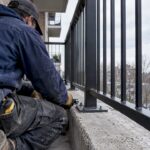
Years of fabricating railings for Greater Montreal’s freeze-thaw cycles have shown that anchorage tolerance, not the railing material, is usually where designs succeed or fail. Keeping cutting, bending and welding under one roof lets us hold the baseplate and anchor details to the tight tolerances that stamped drawings call for, and to flag discrepancies before site installation rather than after.
— Ash
Getting your railing project fabricated right in Montreal
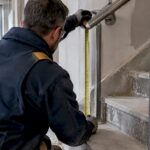
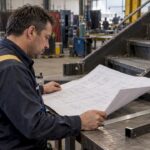
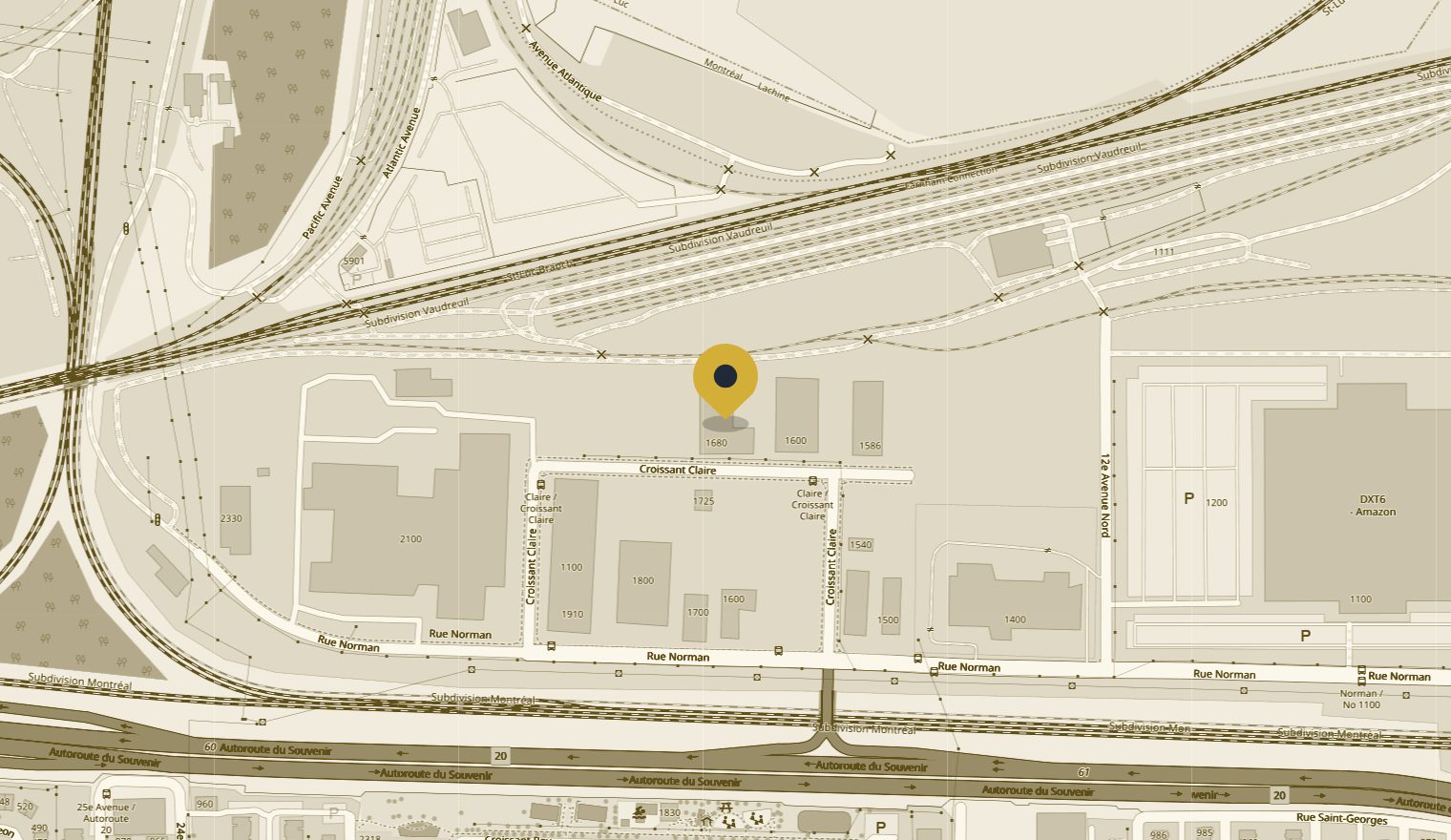
Once an engineer has stamped the loads for your project, the work shifts to building a railing that actually meets those numbers on site, not just on paper. We fabricate and install custom metal railings for Greater Montreal from our shop in Lachine, working from engineers’ calculations through to shop drawings, cutting, bending and welding, then on-site anchorage.

- We review stamped drawings early so anchor and baseplate details match the specified loads before fabrication starts.
- We coordinate directly with your engineer and site team to keep permit documentation and installation timelines aligned.
- We handle projects of any size, from a single residential balcony guard to multi-unit commercial railing packages.
If you have a project moving toward permit or already have engineering in hand, get in touch for a quote and we will walk through fabrication and installation details with you.
FAQ
Do Montreal balconies legally need a guardrail?
Yes, once a platform sits more than 60 cm above the ground, the City of Montreal requires a guardrail, with minimum heights of 90 cm or 107 cm depending on how high the drop is. Below that threshold, a guardrail may not be mandatory, but most designers add one anyway for safety.
Who is responsible for a railing’s structural design in Quebec?
The Régie du bâtiment du Québec places that responsibility on designers and manufacturers together, who must ensure the guardrail resists the specified horizontal and vertical loads. In practice, that means a stamped engineering calculation and shop drawings that the fabricator builds to exactly.
Why does wind matter as much as snow for a railing?
Under certain exposure conditions, wind pressure on a balcony guard can be the critical load, not the snow sitting on the platform, so the National Building Code’s structural provisions require both to be checked together rather than in isolation. A railing designed only for snow can still fail a wind check on an exposed balcony.
Do I need a permit to replace an existing balcony railing in Montreal?
Routine repair and maintenance generally does not require a permit, but replacing, constructing or modifying a railing at or above the height thresholds typically does, according to Montreal’s guidance on terraces and balconies. Confirming permit status with your borough before fabrication starts avoids delays once the project is underway.
Can custom metal railings be engineered for Montreal’s snow and ice conditions?
Yes, a railing fabricated with properly sized anchors, baseplates and post spacing can be built to meet the vertical and lateral loads required for Montreal winters. We fabricate and install these custom railings in-shop from Lachine, working from an engineer’s stamped design through to site installation across Greater Montreal.
Sources
- Balcons, escaliers et autres éléments en saillie — Ville de Montréal
- Résistance structurale des garde‑corps — Régie du bâtiment du Québec
- Structural Design (Part 4 of the NBC) — NRC Publications Archive