For most homes, the choice comes down to five families: solid hardwood for warmth and resale value, engineered wood or luxury vinyl plank for stability and budget, carpet for comfort and quiet, metal for durability and modern design, and rubber or vinyl where slip resistance matters most. Glass, tile, and stone also belong on the list, but mostly as accent pieces. Structural work or custom metal fabrication is a job for a professional, not a weekend project.
TL;DR:
- Solid hardwood remains the most durable and refinishable option, but acclimation time before installation is essential to prevent gaps and cracks.
- Engineered wood and LVP are cost-effective, moisture-resistant alternatives suitable for basement or high-humidity stairs, with easier installation and lower upfront costs.
- Metal treads are ideal for modern or industrial designs, requiring precise measurements and professional fabrication to ensure proper fit and safety, especially for custom jobs.
- Runners and vinyl or rubber treads are practical choices for slip resistance and ease of installation, especially in areas prone to moisture or high traffic.
- Adhering to local code requirements for tread depth, nosing, and uniformity is crucial to ensure stair safety and avoid costly rework or inspections.
Table of Contents
- Stair tread options at a glance
- Wood treads: solid hardwood versus engineered options
- Engineered wood, laminate, and LVP treads
- Carpet and stair runners
- Metal stair treads and custom fabrication
- Glass, tile, and stone treads
- Rubber and vinyl non-slip treads
- How to choose the right stair tread material
- Code and safety checks before you buy treads
- When to bring in a metal fabricator
- Balancing looks and safety on a stair upgrade
- Getting a custom metal tread solution built right
- Sources
- FAQ
Stair tread options at a glance
Each material trades off durability, upkeep, and slip risk differently, and price follows the same pattern as flooring generally: species, finish, and custom sizing push costs up fast.
- Solid hardwood: excellent durability and resale appeal, moderate maintenance, moderate slip risk unfinished, DIY-friendly for confident renovators.
- Engineered wood/LVP: strong moisture and scratch resistance, low maintenance, low to moderate slip risk, generally DIY-friendly.
- Carpet/runner: soft underfoot, good traction, needs regular cleaning, easy DIY for runners.
- Metal: very high durability, low maintenance, slip risk depends on finish, usually requires professional fabrication.
- Glass/tile/stone: high design impact, higher maintenance, higher slip risk, rarely a DIY install.
- Rubber/vinyl: strong slip resistance, low maintenance, moderate durability, often DIY-friendly.
Price climbs with hardwood species (oak costs less than exotic hardwoods), custom nosing profiles, non-standard tread widths, and how much structural prep the existing stringers need before anything new goes down.
Wood treads: solid hardwood versus engineered options
Solid hardwood remains the benchmark for stair treads because it can be sanded and refinished multiple times over its life, while engineered wood offers better dimensional stability at a lower price point, according to D and G Flooring’s residential stairs guide. Oak, maple, and birch dominate interior stair installations in Canada because they’re hard enough to resist dents from daily foot traffic and readily available prefinished or raw.
The step most DIYers skip is acclimation. Solid wood needs time indoors at normal household humidity before installation, or it will expand, contract, cup, or crack once heating cycles kick in, according to federal accessible housing technical notes. Skipping this step is the single most common reason a beautiful new staircase develops gaps by its first winter.
Pro Tip: Store new hardwood treads in the room where they’ll be installed for at least three to five days before fastening them down, so the wood equalizes to your home’s actual humidity, not the lumberyard’s.
Cost drivers include species, prefinished versus site-finished, and nosing profile complexity. If your stringers are sound, refinishing existing treads instead of replacing them can save a significant amount, per D and G Flooring.
- Solid hardwood: refinishable, longer lifespan, higher upfront cost.
- Engineered hardwood: more stable in humidity swings, thinner wear layer, cannot be sanded as many times.
- Both require sealed, beveled nosing edges to avoid chipping.
Engineered wood, laminate, and LVP treads
Engineered wood and luxury vinyl plank solve the problem solid hardwood struggles with: moisture-prone areas like basement stairs or homes with fluctuating humidity. Both hold their shape better than solid wood because of their layered or synthetic core construction, and LVP in particular shrugs off water in a way no hardwood can.
The trade-off is refinishing. Once the wear layer on engineered wood or the printed pattern on LVP is damaged, you replace the tread rather than sand it down. That said, both resist scratches from pets and daily traffic noticeably better than site-finished solid wood.
- Best placement: basements, walkout stairs, high-traffic family homes.
- Installation: comparable difficulty to hardwood, often easier with click-lock LVP systems.
- Cost: typically lower than solid hardwood, especially for higher-end wood species.
Carpet and stair runners
Carpet cuts noise and adds traction, which matters if you have young kids, older parents, or pets navigating the stairs daily. Full carpet coverage wears fastest at the nosing, the front edge of each tread, since that’s where feet land hardest.
A runner strikes a middle ground: it shows off the wood on either side while adding grip and cushioning down the centre. Runners are easier for a confident DIYer to install than full carpet, and they’re simpler to swap out when worn or dated.
- Wear point: nosing edges wear out well before the rest of the tread.
- Maintenance: needs vacuuming and periodic deep cleaning to avoid trapped grit that grinds down fibres.
- DIY suitability: runners are manageable; full carpet installation on stairs is trickier than it looks.
Metal stair treads and custom fabrication
Metal treads show up in industrial lofts, exterior stairs, and increasingly in modern interior builds where homeowners want an open, architectural look. Steel is the workhorse choice for cost and strength, stainless steel resists corrosion for exterior or high-moisture applications, and aluminum offers a lighter option, though its temper affects how it machines and welds, a detail worth understanding before ordering custom parts, as explained in this aluminum temper comparison.
Traction on metal comes from diamond plate patterns, serrated nosing, or bonded abrasive strips, according to Lapeyre Stair’s overview of tread types. Finish options include powder coating for colour and corrosion resistance, galvanizing for exterior durability, or bead blasting for a raw industrial look.
- Steel: strong, affordable, needs a protective finish to resist rust.
- Stainless steel: higher cost, excellent for exterior or wet environments.
- Aluminum: lighter weight, common in modern railings and open-riser designs.
- Traction: diamond plate, serrated nosing, abrasive inserts.
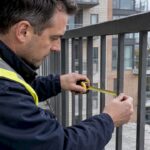
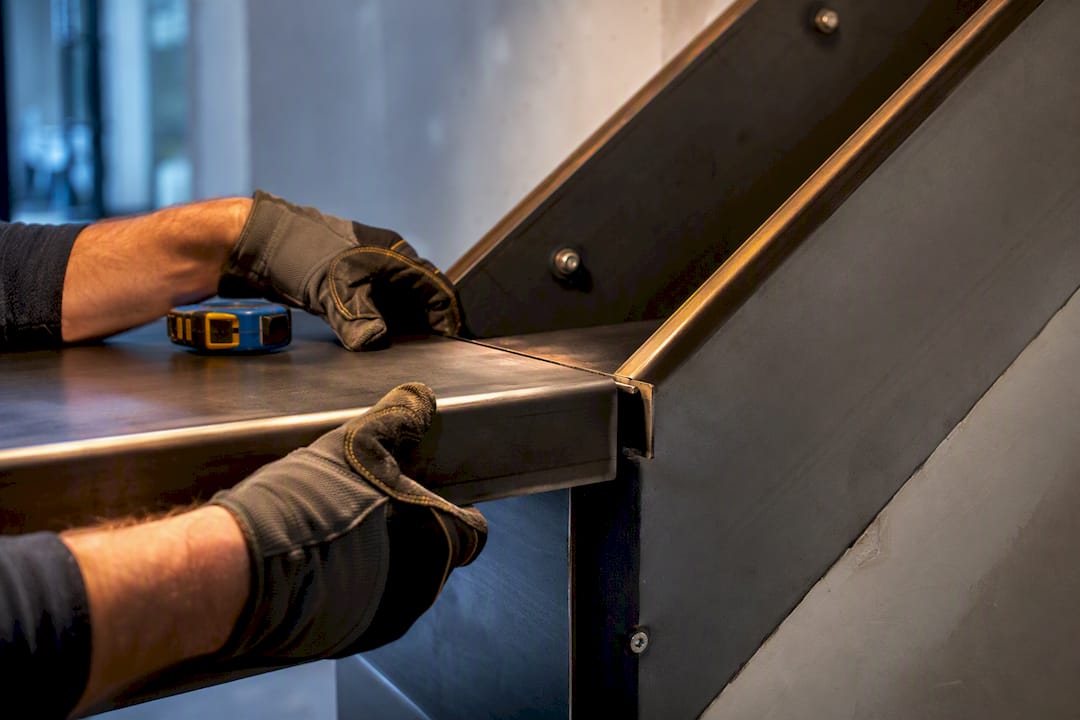
Pro Tip: If you’re replacing open-riser treads or pairing metal treads with a poured-concrete pan, get exact field measurements taken before ordering. A gap of a few millimetres on a custom metal part isn’t something you fix with a hand plane the way you would with wood.
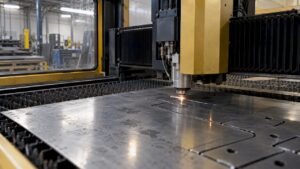
This is where custom metal staircase work usually needs a fabrication shop rather than a hardware store trip. Cutting, bending, and welding metal to fit an existing stringer precisely is a different skill set than nailing down a wood tread.
Glass, tile, and stone treads
Glass and stone treads deliver a design statement no other material matches, particularly on open-riser staircases where light passes through or under each step. The catch is practical: glass needs frequent, careful cleaning to stay free of smudges and must be inspected periodically for micro-cracks that compromise strength over time. Stone and tile look striking but can be genuinely slippery when wet, and both are heavy, unforgiving materials if a piece cracks during installation.
These materials work best as accent treads, an entry step or a feature landing, rather than the full run of a busy staircase. Installation complexity and cost both run higher than wood or metal, and DIY installation is rarely realistic for anything beyond a small accent piece.
- Best use: entry steps, feature landings, open-plan design statements.
- Limitations: slip risk when wet, fragility, frequent cleaning and inspection.
- Cost and complexity: among the highest of any tread material.
Rubber and vinyl non-slip treads
Rubber and vinyl treads exist for one job: grip. They show up on basement stairs, exterior entries, garage steps, and anywhere code or common sense demands slip resistance over looks. Textured or ribbed surfaces channel water away from the foot, which is exactly what you want on an exterior staircase in a Montreal winter.
Lifespan runs shorter than wood or metal, but replacement is inexpensive and straightforward. Cleaning is simple soap and water, and most products are sold as stick-on or screw-down treads that a homeowner can install in an afternoon.
- Best locations: basements, exterior entries, garages, high-moisture areas.
- Lifespan: shorter than wood or metal, but cheap and fast to replace.
- DIY note: check that adhesive-backed treads are rated for your specific traffic and temperature range before buying.
How to choose the right stair tread material
- Assess your conditions first. Traffic volume, moisture exposure, and how much cleaning you’re willing to do should narrow your material list before you even think about colour or finish.
- Set a realistic budget. Factor in species or finish upgrades, custom nosing, and whether your existing stringers need repair.
- Confirm your dimensions and code minimums. Measure existing tread depth and check it against your local building code before ordering anything, especially for winders, spiral stairs, or open-riser designs, which all carry special rules.
- Decide what you can DIY. Runners, rubber treads, and prefinished hardwood are reasonable weekend projects. Custom metal, structural stringer work, and glass or stone installation belong with a professional.
- Vet your contractor or fabricator. Ask how they verify field measurements, what tolerance they build into custom parts, and whether their quote includes site safety provisions.
Pro Tip: A quote that’s suspiciously low on a custom metal or structural job is often missing a site visit. Insist on one before signing anything. It’s the fastest way to catch a stringer problem before it becomes a change order.
Code and safety checks before you buy treads
Tread depth isn’t a style choice. Provincial technical guidance sets a minimum rectangular tread run around 255 mm (10 inches), with adjacent treads required to stay within 5 mm of each other, according to the provincial “All about stairs” technical guide. Part 9 building code guidance backs this up with specific nosing bevel requirements, generally between 6 mm and 14 mm, and rules on tread thickness for open-riser designs, detailed in Part 9’s dimensional rules for rectangular treads.
The 5 mm rule: adjacent treads on the same staircase can’t vary by more than 5 mm, a tolerance small enough that even a slightly warped board or an unevenly shimmed stringer can push a step out of compliance.
- Confirm tread run meets minimum depth for your jurisdiction before ordering.
- Check nosing bevel dimensions against code, not just aesthetic preference.
- Ask contractors how they’ll verify uniformity across every step, not just the first and last.
Contractors working in Quebec also factor CNESST workplace safety rules into their quotes, covering worker training, protective equipment, and jobsite safety planning, according to CNESST’s contractor terms glossary. That’s part of why a properly insured quote often runs higher than a handshake deal, and why it should.
When to bring in a metal fabricator
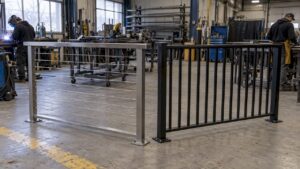
Some jobs simply aren’t DIY territory: steel pan treads paired with poured concrete, custom stainless treads for a feature staircase, or tight-tolerance replacements on an open-riser design where every measurement has to be exact. These are the projects where a custom metal staircase fabricator earns their fee.
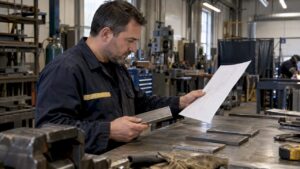
A proper site visit checks field dimensions against the original plans, inspects stringer condition for rust or movement, and confirms allowances for finishes like powder coat thickness or weld buildup. Skipping that step is how homeowners end up with treads that look perfect on paper and don’t sit flush on site.
- Site visits catch stringer damage before fabrication starts, not after.
- Field measurements account for real-world tolerances, not idealized blueprints.
- Onsite welding allows adjustments during install rather than a costly reorder.
A custom metal fabricator typically fabricates and installs metal treads and staircases, working directly from field measurements rather than assumptions.
Balancing looks and safety on a stair upgrade
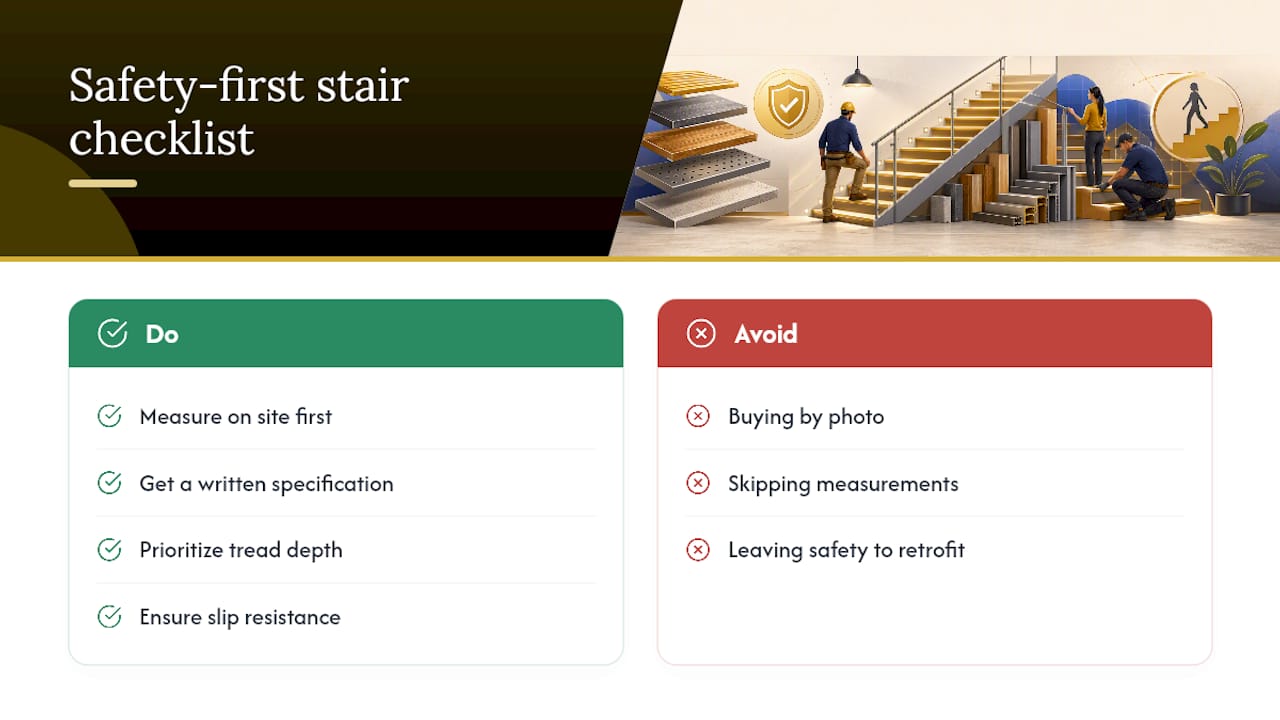
Trend chasing is the easiest way to end up with a beautiful staircase that fails a home inspection or, worse, causes a fall. Tread depth, nosing consistency, and slip resistance aren’t negotiable details you can retrofit later. They’re the difference between a staircase that looks good in photos and one that’s safe to use every day for twenty years.
My advice: get a proper site measure and a written spec before you buy a single board or order a custom metal part. A five-minute measurement session saves weeks of rework.
— Ash
Getting a custom metal tread solution built right
A local metal fabricator is a practical option for those who want custom metal treads for exterior staircases or interior design features requiring steel or stainless treads. Unlike a big-box tread purchase, every piece is measured on site and fabricated to fit your actual stringers, not a generic size.
Custom metal fabrication services often include CNC laser cutting, sheet bending and rolling, and welding of steel, stainless steel, aluminum, and copper, with fabrication in-shop and local installation in Greater Montreal areas such as the island, Laval, the South Shore, and the West Island. A quote starts with a site visit to confirm dimensions, stringer condition, and finish options, so the treads you order are the treads that actually fit. If you’re planning a custom metal staircase or need sheet bending and rolling for custom nosing profiles, request a site measurement to get an accurate quote.
Sources
- All about stairs
- 9.8.4.2 — Dimensions for rectangular treads (codeindex)
- Residential Stairs: Complete Guide for Homeowners – D and G Flooring
FAQ
What is the best material for stair treads?
There’s no single best material. Solid hardwood wins for durability and resale value, engineered wood or LVP for moisture resistance, and rubber or vinyl where slip resistance is the top priority.
What is the 27 rule for stairs?
It refers to a common guideline for comfortable step dimensions, though exact code minimums for tread depth and rise vary by jurisdiction and should always be confirmed locally.
What are some cheap stair tread ideas?
Refinishing existing treads instead of replacing them, installing a runner instead of full carpet, and choosing LVP over solid hardwood are all lower-cost paths that still hold up well.
What are the staircase trends for 2026?
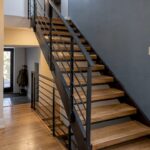
Open-riser designs, mixed materials like wood treads with metal stringers, and accent treads in glass or stone continue to gain popularity, though full-run practicality still favours wood, engineered, or metal for the main staircase.